• Skip to main content
  • Skip to primary sidebar
Logo - coloured
  • What We Do
  • Who we are
    • Our story
    • Our people
    • Join our team
  • Who we work with
    • Investors and operators
    • Design teams
    • Contractors
  • In practice
  • News
  • Contact
Logo - coloured
  • Home
  • Sustainability Consulting
  • Who we are
    • Our story
    • Our people
    • Join our team
  • Who we work with
    • Investors and operators
    • Design Teams
    • Contractors
  • In practice
  • News
  • Contact

Simon Rainsford

BREEAM V7 Pre-Release

August 13, 2024 by Simon Rainsford Leave a Comment

Last week we posted about the recent news from BRE regarding the pre-release of the BREEAM UK Non-domestic Version 7 manual.

Envision has now completed a detailed review of the changes, which you can read here.

Some key features are:

Key drivers –

  • Increased importance is placed on embodied carbon and the use of life cycle assessments (LCA’s) on projects, specifically aligning more with the LETI embodied carbon templates and the use of data in kgCO2e/m2. 
  • Maintain the level for health and wellbeing, aligning with new standards for natural and artificial light, which previously focused on outdated methodologies. 
  • Re-focus the weighting of energy and carbon on grid emission factors, increase the use of prediction of operational energy consumption data, and push for the electrification of buildings.
Read our detailed review of the BREEAM Version 7 standards here

RIBA Stage 2 requirements remain – RIBA Stage 2, or concept design, credits remain within V7, with some being required to achieve Outstanding ratings. Therefore, please get a BREEAM assessor on board for your projects as early in the process as possible as early action will continue to be important for higher ratings.

New minimum standards – many minimum standards remain from the existing V6 standards, with some additions particularly with Excellent and Outstanding ratings:

  • There is a huge drive towards completing Life Cycle Assessments for projects, with an LCA required to be completed at any stage for an Excellent and every stage for an Outstanding. 
  • A form of TM54 analysis is now required for an Excellent and Outstanding rating. 
  • A new requirement for natural light, and achieving good daylight factors, is a minimum requirement for an Outstanding rating. This will penalise buildings with deep floor plates which do not offer good daylight penetration. 
  • The water consumption baselines have been increased, meaning achieving the required improvements over the baseline for Good ratings and above are now harder. There is also a slight change in the % required to achieve credits.  
  • The impact of refrigerants, and their emissions, has been included as a mandatory for Excellent and Outstanding ratings. 

Scoring – There are no changes to the weighting process for V7, however the threshold for ‘pass’ and ‘good’ ratings have been reduced by 5% each (40% and 25% respectively). 

Simple buildings – The ‘simple buildings’ approach has been removed from the UK scheme.

EU Taxonomy alignment – Across the scheme there is a much better alignment with EU taxonomy requirements, with overlap between evidence for BREEAM and evidence for EU taxonomy. 

Ultimately, as always expected from the BRE, the V7 scheme is a step change than the previous V6, with the aim to always push forwards sustainability in the built environment and ‘raise the bar’ for sustainability as a whole. Our detailed review of the changes within each category for BREEAM V7 can be found here, but if you would like to understand how BREEAM V7 will impact you, and your future developments, please get in touch at contact@envisioneco.com.

Please note that developments won’t be assessed against Version 7 for some time (Envision will give you as much warning as possible on timescales for this), however the pre-release gives us a great opportunity to plan for these future changes in development projects.
Filed Under: News

Associate Building Services Engineer – London

July 30, 2024 by Simon Rainsford Leave a Comment

We are currently seeking an Associate Building Services Engineer (mechanically biased) to work within our sustainability & energy team, based in our office in London. The position is an immediate start.

The Company

Envision is a leading sustainability, energy and building services design consultancy that provides specialist support towards sustainability within the built environment. We were founded in 2012 by directors of a multi-disciplinary planning and engineering consultancy and have steadily grown into a well-established company. Unlike many sustainability consultancies that have developed as a ‘support service’ to larger practices, Envision specialises in providing end-to-end support to its real estate clients. We pride ourselves on fostering a flexible, creative, and fun working environment.

We bring together a range of technical disciplines to advise clients on their ESG (Environmental, Social, and Governance) policies, to manage their real estate portfolio and develop sustainability and energy strategies for new and existing developments. We combine this with our expert team of building service engineers to deliver low carbon solutions for our clients.

As part of our sustainability offering, our services include the provision of a full range of environmental assessment methods for both new and existing developments, BREEAM (including In-Use), Home Quality Mark, CEEQUAL, WELL and Building with Nature. We also undertake Whole Life Cycle Assessments, which feeds into our strategies for achieving Net Zero.

We take pride in our pro-active approach, supporting our clients with close and tailored support. Our pragmatic and hands-on approach means that we are retained by the largest UK property funds, publicly listed developers as well as leading constructors.

The Role

This is an excellent opportunity for an Associate Building Services Engineer with a mechanical bias, looking to take the next step in their career. You will join our growing team to work on a diverse range of projects in the UK and internationally. The role is very wide ranging, working on a variety of project streams. The intention for the role is to build on our existing client base supplying mechanical and electrical design services to support our exceptional sustainability and energy teams.

Working closely with colleagues of various disciplines across our two offices, you will take the lead on Engineering design – developing concepts, reports and presenting to clients. You will ensure the successful delivery of innovative sustainable and low-carbon design solutions to quality standards and deadlines. You will receive continual support from company directors and access to further training allowing you to continue your professional development.

You should have highly technical background with an eye for detail, the role will involve significant review of junior staff deliverables.

This role will enable you to have an impact across a variety of sectors such as Industrial & Logistics, Commercial, Healthcare, Retail and Residential, and ensure that you have the opportunity to assume appropriate levels of responsibility and autonomy. We regularly undertake works for which are GLA referable so designing and undertaking the calculations related to these will be expected experience.

Our Associates are involved in the senior management team and as such are directly involved in the management of the company. As part of the position, you will be expected to attend and contribute to the monthly management meetings alongside the day-to-day role.

Specific work deliverables expected to be project managed and delivered by the consultant in this role will include:

  1. Lead HVAC (Heating, Ventilation, and Air Conditioning) design elements on multiple projects
  2. Concept Design of Mechanical and Electrical Services
  3. Assist with mentoring and reviewing work by more junior staff
  4. Technical liaison with Sustainability and Energy Colleagues
  5. Maintain existing relationships with Clients
  6. Carry out site inspections associated with M&E condition surveys
  7. Attend meetings with clients and design teams
  8. Knowledge of lifecycle costing and value engineering
About You

Educated to degree level in the field of engineering, sustainability, or environmental science, you will have gained significant demonstrable experience in a sustainability and energy consultancy role within the built environment.

The successful candidate should be highly motivated, possess excellent communication skills and look to develop their ongoing professional qualifications. This will be a technical role involving mentoring of junior staff; therefore, applicants should expect technical questions during the interview.

Essential Requirements:

  • 6+ years’ experience in a similar role.
  • Expert knowledge of mechanical design related statutory legislation, standards, and drivers in the construction industry.
  • Degree qualified.
  • Exceptional knowledge of regulatory and CIBSE (Chartered Institution of Building Services Engineers) guidance.
  • Given the collaborative and client focused nature of this role, excellent communication skills and experience of using your initiative to overcome challenges are essential.
  • Strong analytical skills and proficient in mathematics and English.

Preferential:

  • Knowledge of electrical design related statutory legislation, standards, and drivers in the construction industry
  • Chartered through CIBSE or IET
  • Planning-Stage Energy & Sustainability Reports
  • Net-Zero Energy Strategies
  • ESG Site Acquisition Reviews
  • Dynamic Simulation Modelling (TM52, TM59, TM54, TM63, Daylight)
  • SAP & SBEM Energy Modelling
  • BREEAM Support
  • Hold a full UK driving licence

Salary: £DOE
Benefits: Company life and health insurance, pension, company expense account, social events, hybrid, and remote working.
Contract: Permanent
Location: London

How to Apply

Please send your CV and a brief description of your career expectations, any relevant experience and pertinent information about yourself by mail to:

Envision
8-9 Stephen Mews London
W1T 1AF


Or by email to joinus@envisioneco.com

Filed Under: News

Innovations In the UK’s Energy Market

July 18, 2024 by Simon Rainsford Leave a Comment

  • Redefining the Top Down Model

The way households and businesses use electricity, and the way it is generated, transported and traded, is currently changing rapidly in the UK market. The United Kingdom is taking major steps in decarbonising the country’s economy and the way our national electricity is generated, stored, transported and traded. 

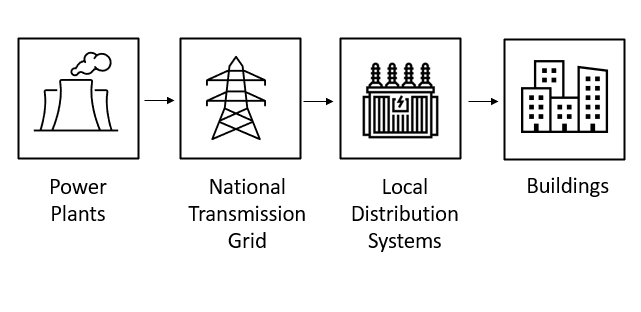
There are business strategies to redefine the national grid’s top down one-way energy flow model. This is the model where electricity travels from the generation power plants, to the national transmission systems, to the local distribution system, then eventually to buildings such as our homes and businesses.  

A diagram of a transmission gridDescription automatically generated

Fig 1, The Traditional Top Down One-way Energy Flow Model 

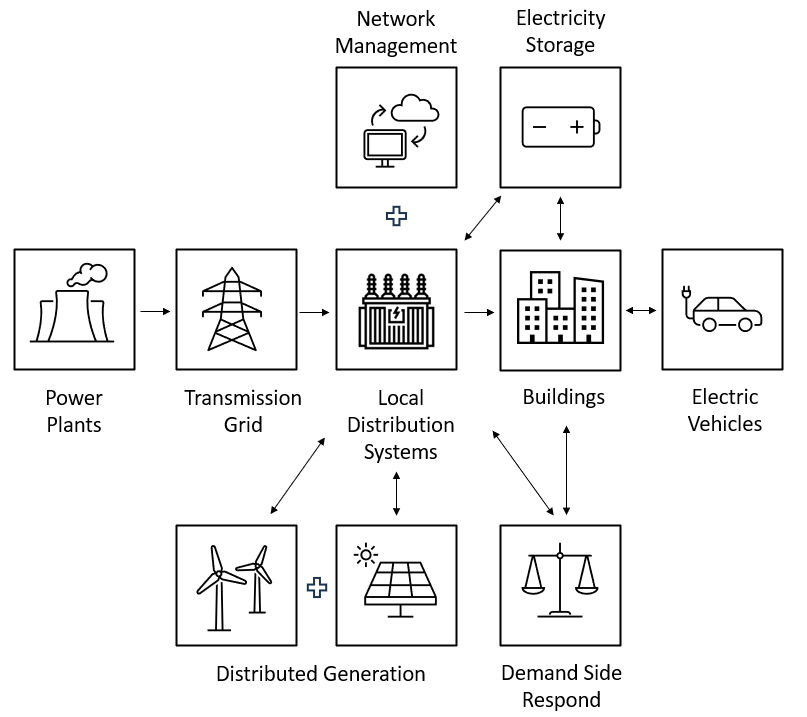
The traditional electricity distribution model is built around the one-way flow of energy to the consumer. Due to technology improvements and the increase in local renewable energy production, the plan is to remodel the top down paradigm into an active decentralised model where energy flows in multiple directions. 

A diagram of a power plantDescription automatically generated

Fig 2, The redefined Energy Flow Model with the new market segments

  • Challenges and Opportunities

As solar panels and battery storage technology become ever more affordable, the Smart Export Guarantee (SEG) will allow the average energy consumer to generate, store and trade electricity back to the national grid. 

SEG is a government-backed initiative first launched in 1 January 2020. SEG requires some electricity suppliers, known as SEG Licensees, to pay small-scale generators, known as SEG Generators, for low-carbon electricity which they export back to the National Grid, providing certain criteria are met. 

The initiative is for anyone with an installation of one of a renewable energy technology up to a capacity of 5MW, or up to 50kW for micro-CHP. Installations must be located in Great Britain and meet the applicable eligibility criteria.

At present local community energy organisations can generate and store electricity via means of renewable energy sources. However, renewable energy sources, such as solar and wind can be unpredictable, as they are subject to the vagaries of the weather conditions. Hence, these local energy communities will stay require grid electricity top-up supply or large scale battery storage.

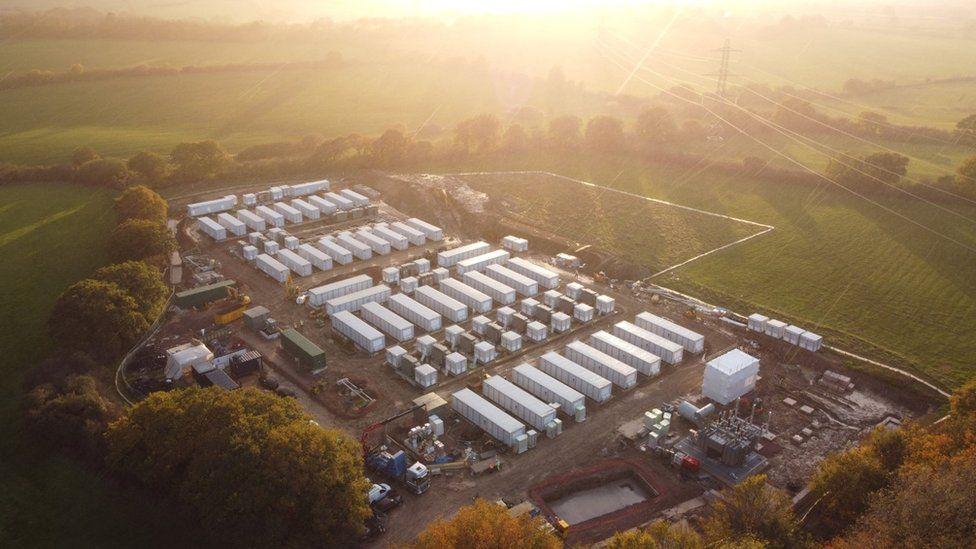
BESS: The charged debate over battery energy storage systems - BBC News

Fig 3, The Pillswood battery storage system in East Yorkshire, UK. Harmony Energy

Projects like the Pillswood Battery storage facility in East Yorkshire can assist with this. It can store enough energy to power around 300,000 homes for two hours. The system will play a major role in the net-zero transition, ensuring the future security of the UK’s energy supply. 

In addition to the major shifts in electrifying the transportation and building services, the roll out of electric vehicles and heat pumps will lead to an electricity demand expansion can place the regional power networks under electricity strains.  

Energy Operators, Energy Aggregators, and likewise Energy Consultants are merging together to meet this transition and to work with potential clients to understand the benefits of these opportunities. Overall, such a huge transition in the energy sector will translate into further challenges and opportunities to the energy market segments.

  • Being flexible is part of the solution 

Energy intelligence is about when and how to use energy. As part of ‘levelling up’ with market changes, energy producers and consumers are observing new prospects for how to be flexible when and how to use energy. Achieving this will help make the most of the existing electricity network, mitigate increases in energy prices and lastly avoid expensive network reinforcement budgets. 

On the commercial side of things, some large businesses across the country’s energy market have adopted Demand Side Response (DSR) agreements to flex their demand in exchange for payments. DSRs encourage large commercial entities to have on-site energy storage facilities to manage shifting their demand according to the energy prices fluctuations over a high usage period. It’s expected that these commercial DSR agreements will become more popular in the future and help balance the UK’s Electricity Network. 

Not only commercial consumers can make benefits of DSR agreements, domestic consumers can also participate. By means of smart energy meters and smart appliances, home owners will have the opportunity to take advantages of the savings through flexible services and flexible contracts.

Zero Bills is a smart energy initiative adopted by Octopus Energy. It is marketed as ‘a world-first smart proposition that allows customers to move into homes that have no energy bills for at least five years, guaranteed’. The claim is that Zero Bills households will save around £1,800 on energy bills compared with those on a standard variable tariff, based on current energy rates. At present the scheme is set up for new homes. 

Octopus Energy have also proposed the ‘Intelligent Energy Demand Approach’ to move demand to the times of the day when electricity is cheapest and plentiful, and out of the most polluting times, when electricity is expensive. ‘Intelligent Octopus’ can optimise an electric car charging by looking at the electricity prices over the next 24 hours, the time the car is need to be ready by, and taking into account the state of other essential components of the power network.

  • What is in the Energy Horizon 

As renewable energy production grows, new markets will emerge, and the built environment policy and regulatory landscape will also evolve. The Government and policy makers have acknowledged that the regulatory framework needs to adapt, especially in areas such as energy production and storage. Nevertheless, the way that new markets are allowed to develop, and the degree of central control that should be imposed, is currently another area of active debate. 

At Envision, we specialise in navigating these evolving regulatory frameworks and emerging markets, providing strategic guidance and innovative solutions in building energy consumption and compliance. Our expertise ensures that your projects remain compliant and ahead of industry changes. 

Thanks, 

Yahia Kheder

Filed Under: News

City of Westminster’s new ‘retrofit first’ policy

July 18, 2024 by Simon Rainsford Leave a Comment

The City of Westminster has recently  launched a partial review of their adopted City Plan 2019-2040[1]  which introduces a new policy that prioritises retrofitting over new construction. 

Policy 43 – ‘Retrofit First’ aims to support the city’s goal of net-zero by 2040. Envision has reviewed the draft policy, including the supporting Topic Paper ‘Retrofit first and reducing embodied carbon’ [2] which supports the consultation, and draws conclusions on this new policy and its implication on development within Westminster. 

“We will not reach net zero without a significant shift in how we view development.

That is why we are introducing one of the nation’s first retrofit policies, promoting sustainable growth by encouraging commercial and residential buildings to be refurbished to the latest standards rather than demolished and replaced with new ones. The policy supports the great work the real estate industry has done to understand how to repurpose buildings to be eco-friendly and attractive to investors, office-workers and people looking for a new home.”

Quote from Cllr Geoff Barraclough, Cabinet Member for Planning & Economic Development

Key Points of the Retrofit First Policy
  • Prioritising Retrofitting over Demolition:

Policy 43 requires developers to thoroughly explore retrofitting options before considering demolition. This aims to reduce the environmental impact that would otherwise occur from new developments, by conserving resources and lowering whole life carbon emissions. 

The Policy requires applicants to prepare a mandatory ‘Retrofit Plan’ which must accompany the Sustainable Design Statement for all applications which create new floorspace and/or proposals which involve extensive works to retrofit existing buildings. The retrofit plan should summarise how the retrofit policy has been complied with, including the justification of the following policy points: 

  1. The proposed development will deliver public benefits which could not be delivered through a suitably comparable retrofit option; and
  2. The whole-lifetime carbon of a new building would be less or similar to a suitably comparable retrofit option; or
  3. The proposed development has bespoke operational requirements which could not be provided through the repurposing, adaptation and/or extension of the existing building(s); or
  4. It is demonstrated that a retrofitting option is not possible or achievable due to structural constraints, demonstrated through an independently verified structural engineers report.
  • Setting Embodied Carbon Targets:

The policy itself prioritises retrofit but still has requirements for new developments where retrofit isn’t possible (and this has been thoroughly justified). As such, a mandatory whole life-cycle carbon assessment along with embodied carbon targets have been introduced for new developments involving total substantial demolition of a building which has more than a single storey. This follows the GLA’s approach of undertaking a Whole Life-cycle Carbon Assessment (WLCA), however the topic paper [2] that supports the consultation on this policy, highlighted some of the weaknesses with the GLA’s embodied carbon targets, specifically when it comes to retrofits. 

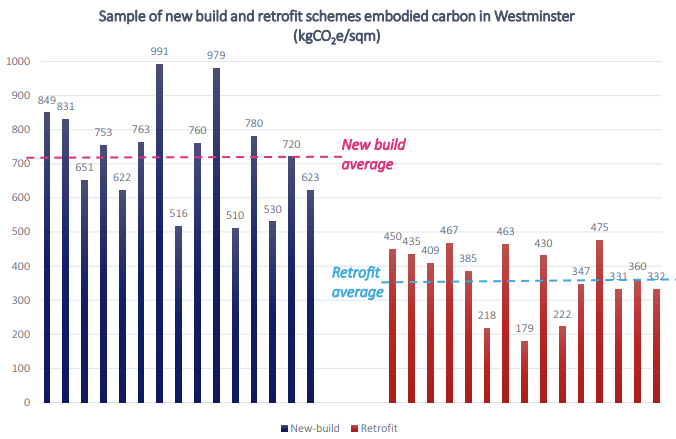
The topic paper highlights that the average embodied carbon of new build in Westminster is around 700 kgCO2e/m2, which is significantly less than the London Plan Guidance (LPG) benchmarks of 900 kgCO2e/m2 and is nearing the LPG aspirational target of 600 kgCO2e/m2. It also calls out that these targets may not actually align with the pathway to net-zero by 2040 – as is Westminster’s target. 

A graph of different colored linesDescription automatically generated

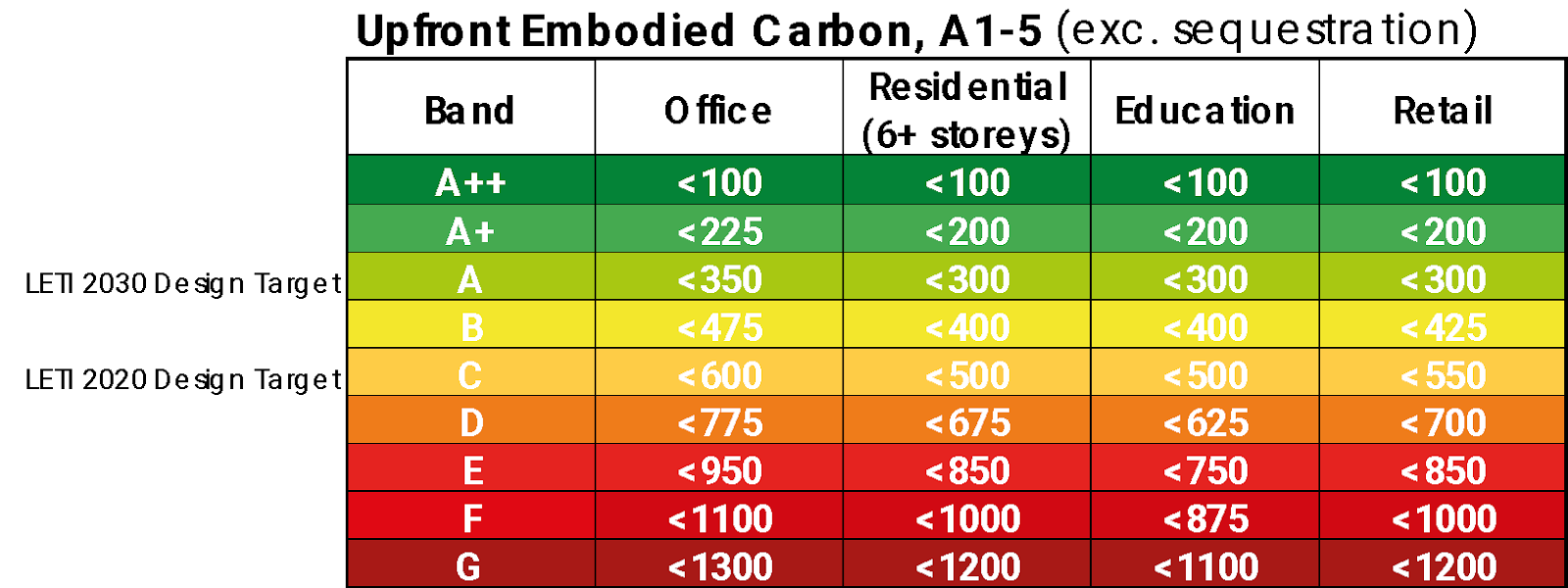
The paper provides recommendations to set more ambitious embodied carbon targets, which align with the council’s carbon reduction pathway identified by the Tyndall Centre in 2023. The actual targets that have been included in the Policy have instead opted to align with the LETI banding, which are widely recognised benchmarks within the industry. These targets are currently only proposed for upfront carbon, which covers emissions up to practical completion of the project. Depending on project size and typology, the Policy sets an absolute minimum rating of “B” (non-residential & residential below 18m) or “D” (residential above 18m) with “A” or “C” respectively being encouraged as targets. 

Unfortunately these targets do not seem to be ambitious enough to align with the Net-Zero by 2030 pathway, as identified within the topic paper, but are at least more ambitious than the LPG benchmarks. 

  • Encouraging Recycling and Reuse:

Where demolition is unavoidable, the policy emphasises that maximising the recycling and reuse of materials to minimise environmental impact. This supports broader goals of reducing waste and promoting a circular economy. Policy 43 includes a requirement for applicants to submit a Circular Economy Statement including a pre-redevelopment audit and pre-demolition audit, which demonstrates how materials will be reused and repurposed. This aligns the City of Westminster’s plan further with the GLA, however this policy could be enhanced further by establishing a reuse target for a specified percentage of demolition waste. 

Based on our experience, setting a target of approximately 10% for direct reuse of demolition materials (either on-site or off-site) is a practical starting point. This target could be gradually increased over time and would help boost the availability of materials in the second-hand market, which would further promote a circular economy.

  • Balancing Sustainability with Heritage Preservation:

Westminster’s rich architectural heritage is taken into account, with the policy supporting the retrofitting of historic buildings. This includes integrating modern energy-efficient technologies like heat pumps, insulation, and solar panels while preserving the historical and architectural integrity of these structures.

Conclusion

Overall, the City of Westminster’s new “Retrofit First” policy represents a step forward in the current guidance, and further aligns with their commitment to sustainable development and net-zero by 2040.  Although there are areas for improvement, such as establishing specific reuse targets for demolition waste and more ambitious embodied carbon targets, the  policy is a significant step forward for sustainable development in Westminster.

Envision provide expert advice in the life cycle assessment of buildings, including whole life carbon and circularity assessments. We are able to support developments within the City of Westminster by providing ‘Retrofit Plans’ alongside pre redevelopment audits and Circular Economy Statements, to support alignment with the emerging policy. 

ENDs

[1] https://westminster.moderngov.co.uk/documents/s59268/Appendix%201.pdf

[2] https://www.westminster.gov.uk/media/document/retrofit-first-topic-paper 

Filed Under: News

Transforming BizSpace: Envision’s Energy Performance Improvement Project

June 18, 2024 by Simon Rainsford Leave a Comment

Introduction:
Envision has recently been working with Bizspace, who provide flexible workspace client facilities for let across the UK. This initiative is focussed on improvement of the EPCs within their portfolio to a minimum rating ‘B’ and spans multiple locations across the UK. Our commitment to energy efficiency and environmental responsibility is shown in the enhancements made to office spaces, industrial storage units, retail outlets, and workshop spaces We have incorporated cost analysis and levels of inconvenience to tenants within these assessments in conjunction with our partners on this project, Total Project Integration (TPI) Ltd.


Site Overview:
The BizSpace EPC Improvements project involves a diverse portfolio of locations, each presenting unique challenges and opportunities. Despite the variance in site uses, age and condition our dedicated team of energy experts navigated the details of each building to optimise energy consumption and increase the Energy Performance Certificate (EPC) rating.


Scope of Work:
The primary goal of the work is to improve the EPC rating of each location to a ‘B rating.’ The scope of work included a comprehensive EPC analysis, featuring site surveys, energy modelling, and thermal modelling analysis using Designbuilder. This approach was applied across all locations, ensuring a consistent and effective strategy.


Execution:
Site surveys provided real-world data, energy modelling allowed for scenario simulations, and thermal modelling analysis pinpointed specific areas for improvement. This harmonious blend of technology and hands-on expertise was needed to ensure the success of our planned interventions.


Tailored Solutions:
Recognising the unique characteristics of each location, our team implemented bespoke energy improvement measures. From the office spaces in Manchester to the commercial workshops in Hebburn, our tailored approach maximised the operational carbon impact of the energy performance interventions, achieving optimal results for each unit.
These initial proposals will be followed up with a more detailed concept design which will allow TPI to approach contractors for competitive tenders and achieve the most cost effective solution for Bizspace.


Cost Analysis:
Understanding the financial considerations of our clients, a thorough cost analysis was conducted in conjunction with TPI. This is not only involved estimating the capital costs of improvements but strategically evaluating potential cost reductions. The result is a roadmap for sustainable and cost-effective EPC improvements across all BizSpace locations.


Significance and Impact:
The BizSpace EPC Improvements project is not merely a collection of isolated efforts but a cohesive initiative between the Envision team, TPI and most importantly our client Bizspace, contributing to the UK’s net-zero targets. By enhancing the EPCs of multiple locations, BizSpace plays a crucial role in the nation’s engagement against global warming and climate change. Envision’s work with BizSpace exemplifies our dedication to creating a built environment that aligns with sustainable practices and supports our efforts toward a greener future.


Conclusion:
Envision’s BizSpace EPC Improvements project stands as a huge effort in transforming diverse portfolios into energy-efficient occupied spaces across the UK. Our dedicated and passionate energy experts efforts expect to leave a mark on the built environment.
Should you or your client have any EPC or energy improvement targets for your building or portfolio you can get in touch with our Director of Energy and MEP Engineering Ciaran Dorrity for more details.

Filed Under: News

Understanding the UK Minimum Energy Standards (MEES): A Step Closer Towards Sustainable Commercial Buildings

April 24, 2024 by Simon Rainsford Leave a Comment

What is MEES?

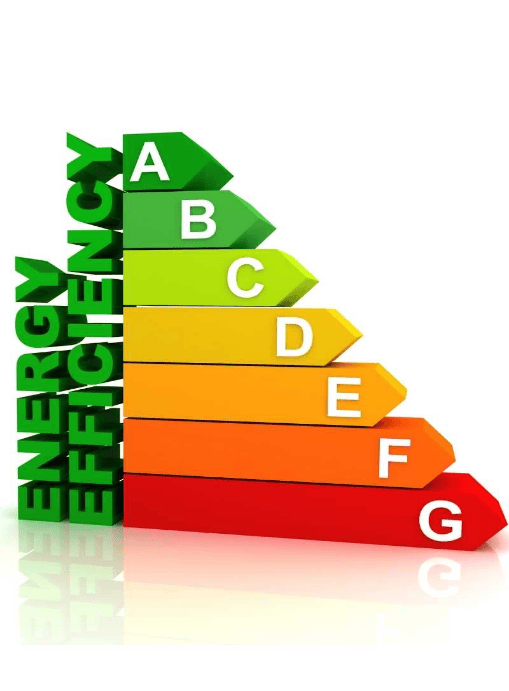
Non-Domestic Energy Performance Certificates (EPCs) serve as a good starting point in understanding a commercial building’s energy efficiency. Unlike domestic EPCs, the rating is based on the estimated carbon emissions of the building and is given a rating from A+ to G, with A+ being the most efficient and G being the least efficient.

A Non-Domestic EPC has been a requirement for the marketing of a commercial property since 2008 and each EPC is valid for 10 years. However, in recent years the UK government has acknowledged the built environment as a major contributor to Greenhous Gas (GHG) emissions and has aimed to improve the quality and energy efficiency of the worst performing privately rented houses and buildings through the introduction of MEES.

The Minimum Energy Efficiency Standards (MEES) was first introduced in 2015 by the Energy Efficiency (Private Rented Property) (England and Wales) Regulations 2015 with the aim of ensuring commercial properties meet minimum energy efficiency levels to help the UK meet its 2050 Net Zero pledge. As of April 2018 it became unlawful for landlords of buildings within the scope of MEES Regulations to renew existing or grant new tenancies if the building has less than the minimum EPC rating of E. This has recently been changed in April 2023, meaning landlords can no longer continue to let any building which have an EPC rating less than E.

Future Projections 

Since the introduction of MEES it has always been anticipated that the bar will be raised. In the energy white paper Powering our Net Zero Future (2020), the government confirmed that the future trajectory of MEES in relation to commercial property will mean an EPC rating of B will be required by 2030, where cost effective.

This requirement is expected to be phased in with an interim milestone of an EPC rating of C by 2027. Although it is important to recognise that this proposal, which was subject to consultation by the Government in 2021, is still not adopted. At the time of the consultation, it was anticipated that the government would publish responses in late 2021 with a view to amend regulations which are due to come into force on 1 April 2025. To date no government responses have been published, raising doubts about whether it will be realistic to impose an interim milestone for 2027.

Should this be adopted, it will be a requirement that landlords must provide a valid EPC with the correct rating as of April 2027 and 2030 respectively, or face penalties. This expected trajectory of changes to the regulations means landlords will now have to future proof their buildings against this. This will either have to be done during a new building’s design stages or through retrofit measures in existing properties. The uncertainty is leaving many in the industry confused as to whether these standards should be applicable, and what impact this should have in negotiations on property transactions. 

Why MEES and EPCs Ratings Matter

Environmental Impact – The introduction of MEES and the required higher EPC ratings helps reduce a buildings carbon emissions by improving its energy efficiency. More efficient buildings will produce less GHG (through reduced electricity and gas consumption) and help combat climate change and its connected environmental impacts. According to Savills 2021 research article ‘Operational Carbon – a focus on energy efficiency’, in equivalent sized dwellings each EPC rating climbed represents around a 30-40% reduction in CO2 emissions per year on a diminishing scale.

ESG Requirements – Investors are demanding high EPC ratings as part of their ESG requirements. High EPCs align with EU Taxonomy and are supported in ESG disclosures, such as the Global Real Estate Sustainability Benchmark (GRESB). Also, by ensuring higher EPC ratings it can enhance the long-term sustainability of a property portfolio and meet stakeholder expectations, whilst complying with emerging MEES regulations and avoid stranding risk.

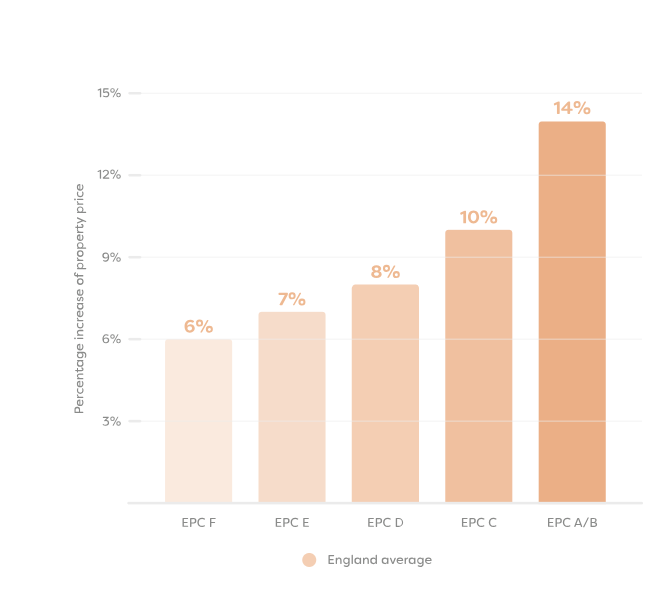
Enhanced Property Value – Higher EPC ratings can enhance the value of properties. This is due to a higher EPC rating correlates with the building being more energy efficient, resulting in reduced operational costs. Energy efficient buildings are more attractive to potential buyers or tenants and an increase form a G rating to an A rating could increase the property value by up to 14% (MoneySuperMarket, 2022)
A graph of a number of peopleDescription automatically generated with medium confidence

How can Envision Help?

There are practical ways in which EPC ratings can be improved including the adoption of efficient lighting, more efficient electrically – led heating systems; the addition or replacement of better performing insulation, use of renewable energy sources and more efficient ventilation. Ensuring non-domestic buildings operate as efficiently as possible and improve their carbon footprints is critical in assisting the UK’s net-zero targets. Envision offers property owners technical guidance on the most efficient and cost-effective ways to improve their buildings EPC ratings. We regularly carry out surveys of existing buildings and provide EPC improvement studies across a range of building types, providing a tailored solution that best aligns with our clients ambitions.

Filed Under: News

  • « Go to Previous Page
  • Page 1
  • Page 2
  • Page 3
  • Page 4
  • Interim pages omitted …
  • Page 13
  • Go to Next Page »

Primary Sidebar

Recent Posts

  • Envision welcomes Chris Heyworth to the Board as non-executive director
  • We’re Hiring! Business Operations Administrator, London
  • HQM and BIU Residential – Alignment
  • GRESB’s Latest Approach to Rewarding Building Certifications 
  • The ‘Usual Suspects’ – Sustainable Innovation in High Embodied Carbon Materials

Recent Comments

No comments to show.

Archives

  • April 2025
  • March 2025
  • January 2025
  • September 2024
  • August 2024
  • July 2024
  • June 2024
  • April 2024
  • March 2024
  • February 2024
  • January 2024
  • July 2023
  • January 2023
  • October 2022
  • March 2022
  • February 2022
  • December 2021
  • September 2021
  • July 2021
  • May 2021
  • March 2021
  • December 2020
  • August 2020
  • July 2020
  • May 2020
  • March 2020
  • November 2019
  • October 2019
  • August 2019
  • July 2019
  • June 2019
  • May 2019
  • January 2019
  • November 2018
  • August 2018
  • July 2018
  • May 2018
  • April 2018
  • February 2018
  • January 2018
  • December 2017
  • November 2017
  • October 2017
  • August 2017
  • July 2017
  • June 2017
  • March 2017

Categories

  • Case Study
  • News
  • Team Member
CONNECT

Let’s collaborate

Let’s collaborate

Privacy(Required)
This field is for validation purposes and should be left unchanged.

contact@envisioneco.com
Navigate
  • Home
  • Sustainability Consulting
  • Our story
  • Our people
  • Join our team
  • Who we work with
  • In practice
  • News
  • Contact
  • Cookie Policy
  • Privacy Statement
London Office

8-9 Stephen Mews
Fitzrovia
London
W1T 1AF

020 7486 0680

Oxford Office

One St Aldates
Oxford
OX1 1DE

01865 598 698

© 2026 Envision. All Rights Reserved.
Privacy Policy    Cookies

Made by erjjio
Powered by 100% renewable energy

Made by erjjio
Powered by 100% renewable energy

© 2026 Envision. All Rights Reserved.
Privacy Policy    Cookies

Manage Cookie Consent
We use cookies to optimise our website and and our service.
Functional Always active
The technical storage or access is strictly necessary for the legitimate purpose of enabling the use of a specific service explicitly requested by the subscriber or user, or for the sole purpose of carrying out the transmission of a communication over an electronic communications network.
Preferences
The technical storage or access is necessary for the legitimate purpose of storing preferences that are not requested by the subscriber or user.
Statistics
The technical storage or access that is used exclusively for statistical purposes. The technical storage or access that is used exclusively for anonymous statistical purposes. Without a subpoena, voluntary compliance on the part of your Internet Service Provider, or additional records from a third party, information stored or retrieved for this purpose alone cannot usually be used to identify you.
Marketing
The technical storage or access is required to create user profiles to send advertising, or to track the user on a website or across several websites for similar marketing purposes.
Manage options Manage services Manage {vendor_count} vendors Read more about these purposes
View preferences
{title} {title} {title}